Are Miter Saws As Important As Everyone Says?
Mastering the Miter Saw: An In-Depth Guide
Miter saws are important tools in both professional and DIY workshops, commemorated for their precision and versatility. Whether it's for cutting molding, framing, or crafting customized furnishings, understanding the features, types, and best practices for using a miter saw can significantly enhance the quality of your projects. This post explores whatever you need to understand about miter saws, consisting of types, functions, suggestions, and commonly asked questions.
Comprehending Miter Saws
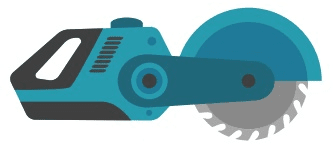
A miter saw is a powerful tool created for making accurate crosscuts and miters in a workpiece. It consists of a circular blade installed on a rotating arm, enabling users to decrease the spinning blade down onto the product and cut at various angles.
Types of Miter Saws
Miter saws are available in several setups, each matched for different types of cuts and projects:
Type
Description
Ideal Uses
Standard Miter Saw
Standard design for making angled cuts.
Basic furniture jobs, framing.
Compound Miter Saw
Can tilt the blade for compound cuts (both miter and bevel).
Crown molding, picture frames.
Dual Compound Miter Saw
Offers both left and right bevel capabilities.
More intricate cuts, angles in both directions.
Sliding Miter Saw
Features a sliding arm that permits the blade to take a trip forward.
Larger products, such as deck boards.
Cordless Miter Saw
Battery-operated for mobility.
Job sites or remote areas without power.
Key Features to Consider
When selecting a miter saw, think about the following functions:
- Blade Size: Most frequently can be found in 10-inch and 12-inch sizes; bigger blades permit broader cuts.
- Cutting Capacity: The capability to cut through thicker materials is important for certain jobs.
- Bevel Adjustment: Dual-bevel saws provide greater flexibility by enabling cuts in both instructions.
- Dust Collection: An excellent dust collection system decreases mess and enhances presence.
- Laser Guide: A laser guide can enhance precision by projecting a line on the material where the cut will happen.
Tips for Using a Miter Saw
To achieve the very best results from a miter saw, here are some practical pointers:
- Always Wear Safety Gear: Safety glasses, hearing defense, and dust masks are important to safeguard yourself while using the tool.
- Protect Your Workpiece: Use clamps or a steady workbench to guarantee your material is firmly protected during cutting.
- Measure Twice, Cut Once: Accurate measurements will conserve time and decrease waste.
- Use the Right Blade: Different blades are created for various materials (wood, metal, and so on). Picking the appropriate blade guarantees clean cuts.
- Keep the Blade Sharp: A dull blade can result in rough cuts and can be unsafe. Regularly examine and replace blades as needed.
Frequently Asked Questions About Miter Saws
1. What is Best 305mm Mitre Saw in between a miter saw and a sliding miter saw?
A basic miter saw only permits the blade to pivot for angled cuts, while a sliding miter saw has a sliding mechanism that lets the user push the blade forward, enabling it to cut wider materials.
2. Can I utilize a miter saw for rip cuts?
Miter saws are mainly designed for crosscuts; they are not ideal for rip cuts. If you require to carry out rip cuts, consider utilizing a table saw.
3. How do I preserve my miter saw?
Routine maintenance includes cleaning the saw, inspecting the blade for wear, lubricating moving parts, and guaranteeing the fences remain square. Always refer to the producer's handbook for particular care instructions.
4. What product can I cut with a miter saw?
Miter saws can cut a variety of materials, including softwood, hardwood, plywood, and even non-ferrous metals, depending upon the blade used.
5. Is a laser guide actually necessary?
While not absolutely essential, a laser guide can significantly boost accuracy, assisting to picture the cut line and leading to more exact cuts.
Picking the Right Miter Saw for Your Needs
With numerous choices offered, it can appear intimidating to pick the right miter saw. Here are a couple of factors to consider that might assist:
Consider Your Projects
- For Occasional DIY Projects: A basic miter saw might be adequate if your jobs are very little and uncomplicated.
- For Crown Molding or Advanced Carpentry: A compound or dual compound miter saw will supply the versatility required for detailed cuts.
- For Large Projects: If you're working with broader materials, a sliding miter saw will be necessary for the extra cutting capability.
Budget plan Considerations
Miter saws vary substantially in rate. Here's a fundamental cost variety:
Type
Rate Range
Requirement Miter Saw
₤ 100 – ₤ 300
Compound Miter Saw
₤ 200 – ₤ 500
Dual Compound Miter Saw
₤ 300 – ₤ 600
Sliding Miter Saw
₤ 300 – ₤ 700
Cordless Miter Saw
₤ 200 – ₤ 400
A well-selected miter saw can be an invaluable tool for attaining precise cuts in woodworking projects. Comprehending the types, features, and maintenance of miter saws will boost not only the quality of the cuts however also the enjoyment of the woodworking experience. Whether you're a skilled carpenter or a weekend DIYer, investing time in learning about and mastering your miter saw will result in more effective and enjoyable woodworking projects.
Armed with this info, you can with confidence pick the miter saw that best satisfies your requirements and raise your woodworking abilities to new heights!